Flex pcb supplier differ from PCB fabrication
The distinction between a Flex PCB supplier and PCB fabrication lies in the specialization, processes, materials, and applications associated with each type of printed circuit board. While both deal with the production of circuit boards, their approaches, expertise, and the end products they offer differ significantly.
A Flex PCB suppliers specializes in the design, production, and assembly of flexible printed circuit boards. Flex PCBs are known for their ability to bend and fold without breaking, making them ideal for applications where space constraints and mechanical flexibility are critical. The expertise of a Flex PCB supplier includes understanding the unique material properties, design considerations, and manufacturing processes required to create flexible circuits that maintain performance under stress.
In contrast, traditional PCB fabrication focuses primarily on rigid PCBs, which are stiff and inflexible. The specialization here is in creating robust, solid circuit boards that are typically used in less constrained environments. While rigid PCBs are more straightforward in their construction, they require a different set of skills and knowledge, particularly in ensuring mechanical stability and long-term reliability in stationary applications.
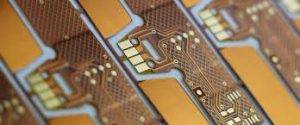
How does Flex pcb supplier differ from PCB fabrication?
The materials used in Flex PCB production differ significantly from those in traditional PCB fabrication. Flex PCBs are typically made using flexible substrates such as polyimide or polyester films, which can withstand bending and folding. These materials must also be durable enough to endure environmental stresses like temperature changes and humidity. The selection of adhesives and protective coatings is also critical to ensure the longevity and functionality of Flex PCBs.
Rigid PCBs, on the other hand, are usually made from materials like FR4, a composite of woven fiberglass cloth with an epoxy resin binder that is flame resistant. This material provides the necessary rigidity and durability for applications where the circuit board will not be subject to mechanical deformation.
The manufacturing processes for Flex PCBs involve specialized techniques to handle the flexible materials and maintain their integrity throughout production. This includes precision cutting, layering, and laminating processes that accommodate the bending and flexing nature of the final product. Flex PCB suppliers must also implement advanced quality control measures to ensure that the circuits can withstand the mechanical stresses they will encounter in their applications.
Traditional PCB fabrication processes are designed to handle rigid materials, focusing on drilling, plating, and etching techniques that create the necessary pathways and component mounts on a solid substrate. While these processes are highly refined and capable of producing complex multi-layered boards, they do not require the same level of flexibility considerations as Flex PCB manufacturing.
Flex PCBs are used in applications where traditional rigid PCBs cannot perform effectively. This includes wearable technology, medical devices, aerospace applications, and consumer electronics where space is limited, and the board needs to conform to various shapes. The ability to bend and fold without breaking makes Flex PCBs ideal for these dynamic environments.
Rigid PCBs are found in more traditional applications where the circuit board remains stationary and does not need to conform to varying shapes. Common uses include desktop computers, televisions, and other consumer electronics that benefit from the stability and durability of a rigid board.
Flex PCB suppliers often offer a higher degree of customization to meet specific client requirements. This can involve creating bespoke designs that integrate seamlessly into complex assemblies and provide the necessary mechanical flexibility. The design phase is critical and often requires close collaboration between the supplier and the client to ensure that all specifications are met.
In PCB fabrication, customization also plays a role but is generally more focused on the electrical performance and layout of the board within a fixed, rigid structure. The design process involves optimizing the arrangement of components and pathways to ensure efficient and reliable operation within the constraints of a rigid form factor.
In summary, the differences between a Flex PCB supplier and traditional PCB fabrication lie in their specialization, materials, manufacturing processes, applications, and the degree of customization they offer. Flex PCB suppliers focus on creating flexible, durable circuits for dynamic applications, requiring specialized knowledge and techniques. Traditional PCB fabrication, on the other hand, deals with rigid circuits designed for static applications, emphasizing mechanical stability and robust construction. Both play essential roles in the electronics industry, catering to the diverse needs of modern technology.