printed circuit board assembly be recycled
Printed circuit board assembly (PCBA) is a crucial component of electronic devices, but its disposal poses significant environmental challenges due to the presence of hazardous materials such as lead, cadmium, and brominated flame retardants. As electronic waste (e-waste) continues to accumulate globally, there is growing interest in exploring sustainable solutions for recycling PCBAs. While recycling PCBAs presents unique technical and logistical challenges, advancements in recycling technologies and increasing awareness of environmental issues are driving efforts to develop efficient and environmentally friendly recycling processes.
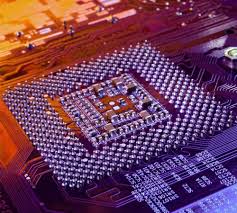
One of the primary obstacles to recycling printed circuit board assembly is the complexity of their composition and structure. PCBAs consist of various materials, including fiberglass epoxy resin substrates, copper conductive traces, solder alloys, and a multitude of electronic components. Separating and recovering these materials requires specialized processes that can handle the diversity of materials and components present in PCBAs. Traditional recycling methods, such as mechanical shredding or smelting, may not be suitable for PCBAs due to the risk of releasing hazardous substances and damaging valuable components.
However, innovative recycling technologies are emerging to address these challenges and enable more efficient and sustainable recycling of PCBAs. One promising approach is mechanical separation combined with advanced sorting and recovery techniques. By shredding PCBAs into smaller pieces and using techniques such as gravity separation, magnetic separation, and electrostatic separation, recyclers can separate and recover valuable materials such as copper, gold, and silver from PCBAs without generating harmful byproducts. Additionally, hydrometallurgical processes, such as acid leaching and solvent extraction, are being developed to selectively dissolve and recover metals from PCBAs while minimizing environmental impact.
Can printed circuit board assembly be recycled?
Furthermore, advancements in pyrolysis and thermal treatment technologies are enabling the recovery of energy and valuable materials from PCBAs. Pyrolysis involves heating PCBAs in the absence of oxygen to break down organic materials into gases and liquids, which can be used as fuels or feedstocks for chemical processes. Thermal treatment technologies, such as incineration or gasification, can be used to recover energy from PCBAs while minimizing emissions and residues. These thermal processes can also facilitate the recovery of metals and other valuable materials from PCBAs, making them more economically viable and environmentally sustainable.
In addition to technological advancements, increasing awareness of the environmental and social impacts of e-waste is driving regulatory and industry initiatives to promote PCB recycling. Many countries have implemented regulations and policies to encourage the recycling of e-waste and reduce its environmental footprint. Manufacturers and electronics producers are also implementing take-back programs and investing in sustainable design practices to facilitate the recycling and reuse of PCBAs. Furthermore, collaborations between stakeholders in the electronics industry, academia, and government agencies are fostering innovation and knowledge sharing to address the challenges of PCB recycling.
However, despite these efforts, significant barriers to PCB recycling remain, including economic viability, regulatory compliance, and infrastructure limitations. The high cost of recycling and the low market value of recovered materials compared to virgin resources can hinder the development of scalable and economically viable recycling solutions. Additionally, ensuring the proper collection, transportation, and processing of PCBAs requires robust infrastructure and logistical support. Overcoming these barriers will require continued investment in research and development, policy support, and public-private partnerships to promote the adoption of sustainable PCB recycling practices.
In conclusion, while recycling printed circuit board assembly (PCBA) presents technical and logistical challenges, advancements in recycling technologies and increasing awareness of environmental issues are driving efforts to develop efficient and sustainable recycling processes. Innovative approaches such as mechanical separation, hydrometallurgy, pyrolysis, and thermal treatment are enabling the recovery of valuable materials from PCBAs while minimizing environmental impact. Regulatory and industry initiatives are also promoting PCB recycling and fostering collaboration between stakeholders to address the challenges of e-waste management. By investing in research, infrastructure, and policy support, we can create a more sustainable and circular economy for electronic waste recycling.