
hdi pcb fabrication be used in flexible keyboards
Flexible keyboards have revolutionized the way we interact with technology, offering portability and convenience like never before. As the demand for flexible electronic devices continues to grow, so does the need for advanced fabrication techniques to support their production. High-density interconnect (HDI) printed circuit board (PCB) fabrication is a key technology that has been gaining attention for its potential application in flexible keyboards.
HDI PCB fabrication involves densely packing components and interconnections into a smaller area, allowing for more functionality in a smaller form factor. This makes it an attractive option for flexible keyboards, where space is at a premium and every millimeter counts. Traditional rigid PCBs may not offer the flexibility required for these keyboards, making HDI PCBs a compelling alternative.
One of the primary challenges in using HDI PCB fabrication for flexible keyboards is ensuring the flexibility of the substrate material. Most hdi pcb fabrication are made using rigid substrates such as FR-4, which are not suitable for flexible applications. However, advancements in materials science have led to the development of flexible substrates that can withstand the rigors of HDI fabrication processes.
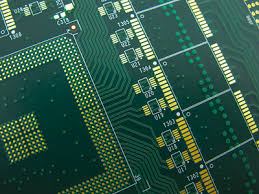
Can hdi pcb fabrication be used in flexible keyboards?
Polyimide is one such flexible substrate material that is commonly used in HDI PCB fabrication for flexible applications. Its high-temperature resistance, excellent mechanical properties, and flexibility make it an ideal choice for flexible keyboards. By using polyimide substrates, manufacturers can leverage the benefits of HDI fabrication while maintaining the flexibility required for flexible keyboards.
In addition to substrate flexibility, another consideration when using HDI PCB fabrication for flexible keyboards is the routing of traces and vias. Traditional PCB fabrication techniques may not be suitable for flexible substrates, as they can cause stress concentrations that lead to failure over time. HDI fabrication allows for the creation of smaller vias and tighter trace spacing, reducing the risk of failure in flexible applications.
Furthermore, HDI PCB fabrication enables the integration of advanced features such as embedded components and multilayer designs. This allows for greater functionality and performance in flexible keyboards, without sacrificing flexibility or durability. By leveraging the capabilities of HDI fabrication, manufacturers can create flexible keyboards that are thinner, lighter, and more versatile than ever before.
Despite the potential benefits of using HDI PCB fabrication in flexible keyboards, there are still some challenges that need to be addressed. One such challenge is the cost of fabrication, as HDI processes can be more complex and expensive than traditional PCB fabrication techniques. However, as demand for flexible keyboards continues to grow, economies of scale and advancements in technology are expected to drive down costs over time.
Another challenge is ensuring compatibility with existing manufacturing processes and materials. Manufacturers may need to invest in new equipment and training to adopt HDI fabrication for flexible keyboards, which can pose logistical challenges in the short term. However, the long-term benefits of improved functionality and performance may outweigh these initial challenges.
In conclusion, HDI PCB fabrication holds great promise for the future of flexible keyboards. By leveraging advanced fabrication techniques and materials, manufacturers can create keyboards that are thinner, lighter, and more flexible than ever before. While there are still challenges to overcome, the potential benefits make HDI PCB fabrication a compelling option for the next generation of flexible electronic devices.


