custom pcb be used in implantable medical devices
Implantable medical devices have revolutionized healthcare, offering innovative solutions for monitoring, diagnosing, and treating a wide range of medical conditions. From pacemakers and defibrillators to neurostimulators and insulin pumps, these devices play a critical role in improving patients’ quality of life and overall health. Custom PCBs (Printed Circuit Boards) have emerged as essential components in the design and development of implantable medical devices, enabling manufacturers to create compact, reliable, and sophisticated devices that meet the unique needs of patients and healthcare professionals.
One of the key challenges in designing implantable medical devices is ensuring miniaturization without compromising functionality or reliability. Custom PCBs offer a solution to this challenge by providing a compact and versatile platform for integrating complex electronic circuits, sensors, and components into a single device. By leveraging advanced design techniques and manufacturing processes, custom PCBs enable manufacturers to create implantable devices that are smaller, lighter, and more discreet, while still delivering high-performance functionality.
custom pcb also play a crucial role in ensuring the safety and reliability of implantable medical devices. These devices are subjected to harsh physiological environments, including temperature fluctuations, moisture exposure, and mechanical stress, which can degrade performance and lead to premature failure. Custom PCBs designed for implantable applications are manufactured using biocompatible materials and coatings that are compatible with the human body and resistant to corrosion and degradation over time.
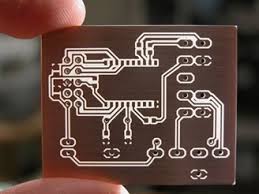
Can custom pcb be used in implantable medical devices?
Moreover, custom PCBs enable the integration of advanced sensing and monitoring capabilities into implantable medical devices, allowing healthcare professionals to gather real-time data on patients’ physiological parameters and treatment outcomes. For example, custom PCBs can incorporate sensors for monitoring heart rate, blood pressure, glucose levels, or neural activity, providing valuable insights into patients’ health status and enabling personalized treatment strategies.
In addition to sensing and monitoring, custom PCBs enable the implementation of advanced therapeutic functionalities in implantable medical devices. For example, custom PCBs can control the delivery of therapeutic agents such as drugs, electrical stimulation, or deep brain stimulation, providing targeted treatment for a wide range of medical conditions. By integrating these therapeutic functionalities into implantable devices, custom PCBs offer new opportunities for managing chronic diseases, alleviating symptoms, and improving patients’ quality of life.
Custom PCBs also play a crucial role in ensuring the longevity and reliability of implantable medical devices. These devices are designed to operate inside the body for extended periods, often years or even decades, without requiring maintenance or replacement. Custom PCBs must be engineered to withstand the rigors of long-term implantation, including exposure to bodily fluids, mechanical stress from tissue movement, and electromagnetic interference from external sources.
Furthermore, custom PCBs enable manufacturers to meet regulatory requirements and standards for safety, performance, and quality in implantable medical devices. Regulatory bodies such as the U.S. Food and Drug Administration (FDA) and the European Medicines Agency (EMA) have stringent requirements for the design, testing, and manufacturing of implantable devices to ensure patient safety and efficacy. Custom PCBs designed and manufactured according to these standards help manufacturers navigate the regulatory process and bring their devices to market more quickly and efficiently.
In conclusion, custom PCBs are essential components in the design and development of implantable medical devices, enabling manufacturers to create compact, reliable, and sophisticated devices that meet the unique needs of patients and healthcare professionals. By providing a platform for integrating complex electronic circuits, sensors, and components into a single device, custom PCBs enable the miniaturization, functionality, and reliability required for implantable applications. As technology continues to advance, custom PCBs will play an increasingly important role in driving innovation and improving outcomes in the field of implantable medical devices.